

The potential of the circular economy is significant – but turning it into viable business remains a challenge. At LOOP Forum 2026, Lifestyle and Design Cluster addresses this gap through a curated exhibition showcasing some of the most advanced circular solutions in the lifestyle industry.
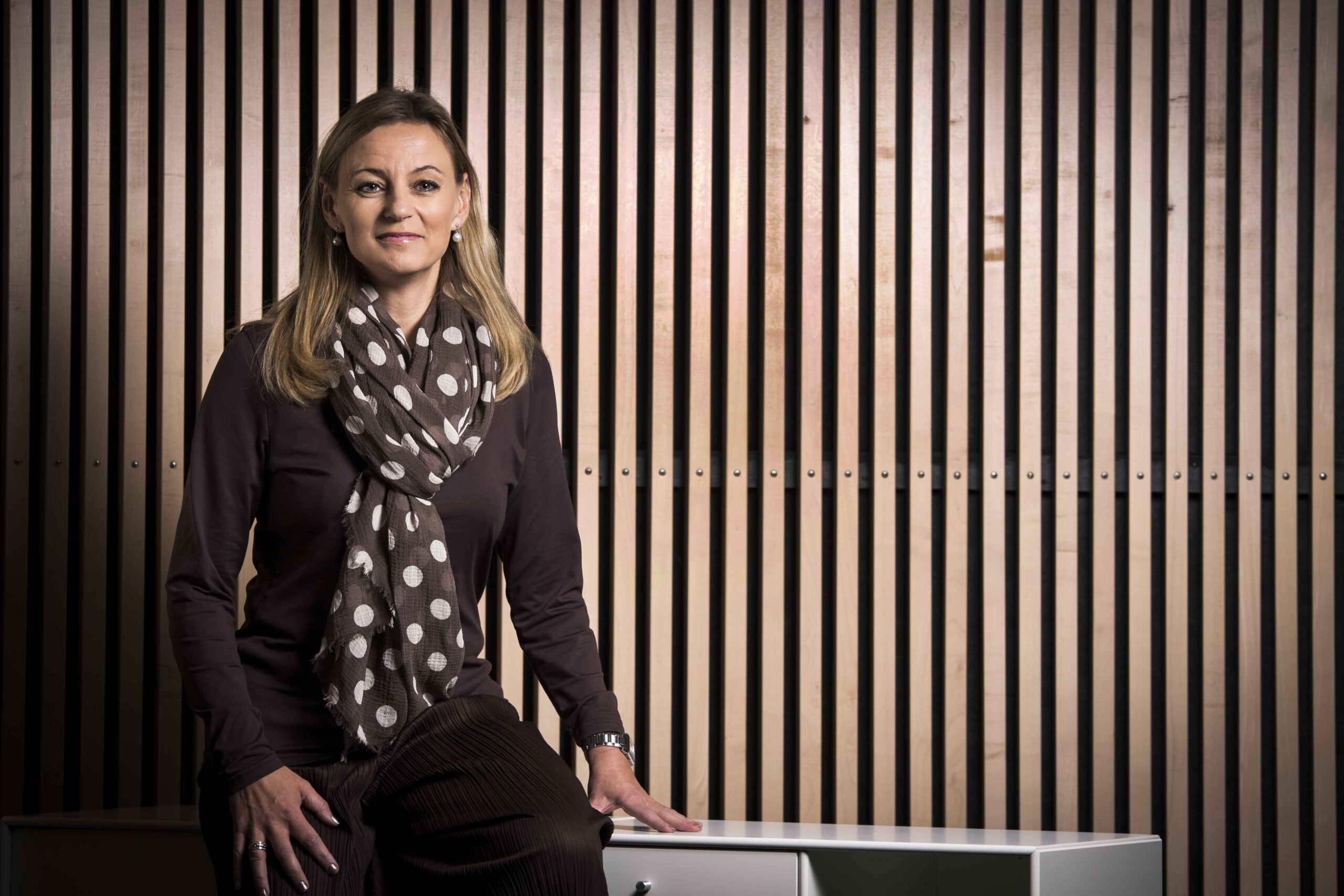
In the photo: Betina Simonsen, CEO of Lifestyle and Design Cluster
“We see many strong circular solutions in Danish companies. But too often, there is a lack of real demand, making it difficult to scale and build a sustainable business,”
says Betina Simonsen, CEO of Lifestyle and Design Cluster.
Denmark is currently only 4% circular, meaning that 96% of our material consumption still comes from virgin resources. While innovation is happening across industries, the transition is far from complete.
From strong ideas to real demand
Across value chains, companies are already developing circular solutions – from repair networks to upcycling of materials. In initiatives like Closing Loops, more than 200 small and medium-sized enterprises collaborate to rethink products, materials, and business models.
Yet many of these solutions struggle to reach scale.
“Companies cannot survive on good intentions alone. There must be real demand for circular solutions – otherwise, we will not move beyond pilot projects to scalable business,”
says Betina Simonsen.
One of the key barriers is the gap between innovation and market uptake. While companies are ready to act, demand – both public and private – is still catching up.
Circular economy is an investment, not a shortcut
A common misconception is that circular solutions are automatically cheaper. In reality, the opposite is often true.
Processes such as collecting, sorting, repairing, and reprocessing materials require significant resources. In early stages, circular solutions may even demand new logistics, infrastructure, and services, making them more resource-intensive than traditional linear alternatives.
“The circular economy is not about cutting costs – it is an investment. If we want to move forward, it requires courage, collaboration, and a willingness to think long-term,”
says Betina Simonsen.
To unlock the full potential, both businesses and public actors must be willing to invest in solutions that extend product lifecycles and maximise resource value.
A curated space for circular frontrunners
At LOOP Forum 2026, Lifestyle and Design Cluster, in collaboration with ‘Virksomhedsudvikling Danmark’ (Part of the Danish Board of Business Development), presents a curated exhibition featuring pioneering circular brands from the lifestyle sector.
The selected companies have moved beyond ideas and taken concrete steps from development to implementation – demonstrating how circularity can be translated into real business value.
Visitors are invited into a curated universe that brings together lifestyle, creativity, and circular business development – and that offers a space for inspiration, dialogue, and new partnerships.
Connecting ambition, design and market
Design plays a crucial role in the circular transition. Decisions made in the early stages determine product lifespan, repairability, and the potential for reuse and high-value recycling.
To truly increase circularity, we need a new respect for materials – and a stronger focus on keeping them in use at their highest value for as long as possible.
At LOOP Forum, these perspectives will also be explored on stage, where Lifestyle and Design Cluster contributes with insights on circular business models and value chain collaboration.
The ambition is clear: to bridge the gap between innovation and market – and to accelerate the transition from promising ideas to scalable circular business.
Visit the exhibition to meet ambassadors from the circular transition – and gain inspiration on how circular solutions can become part of future business.
