

Electronic waste is the fastest-growing waste stream in the world. According to the UN, 62 million tonnes of e-waste were generated globally in 2022, and less than 23% was collected and properly treated. This leads to valuable resources being lost.
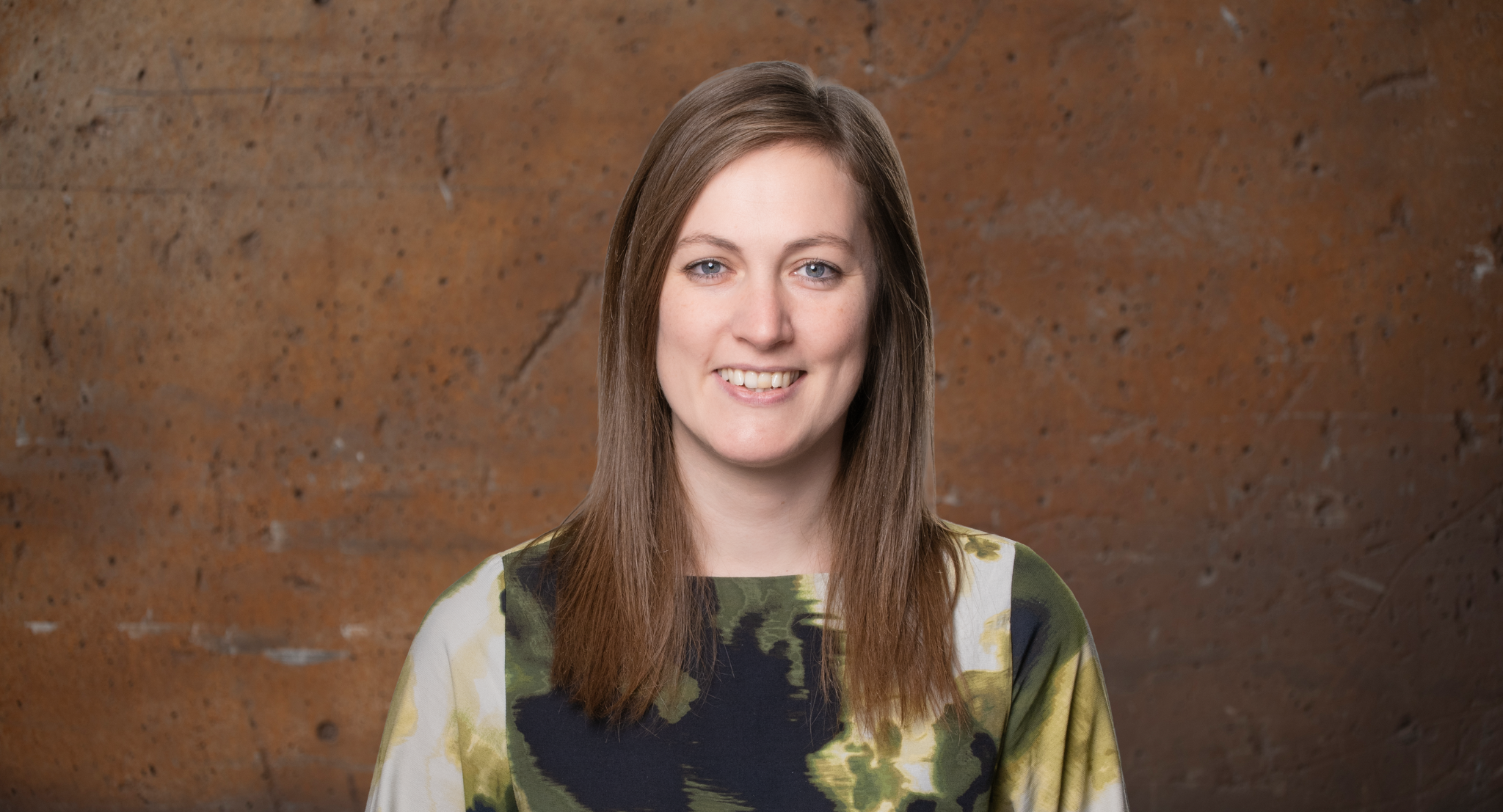
Marianne Ladekarl Thygesen, Head of Environmental Policy at HJHansen Recycling Group
More than just waste
Electronic products should be used as long as possible, but when you can no longer use them, it is important to dispose them properly as electronic waste. According to preliminary analyses by Elretur, around 25% of electronics entering the waste stream may still have reuse potential, meaning the product either still works or can be repaired with relatively simple measures.
Examples include everyday devices such as mobile phones, laptops, tablets and small household appliances. Sometimes the difference between reuse and recycling comes down to how the product is handled. Take something as simple as an electric hand mixer: if it is delivered as a complete product, it may be reused. But if parts such as the metal beaters are separated for recycling, reuse is no longer possible.
The same applies in workplaces. When IT equipment is replaced, old keyboards, monitors and other electronics often end up stored away in drawers or storage rooms. Instead of gathering dust, these devices should be sent for proper reuse or recycling, so their value is not lost.
If your electronic device is broken or no longer usable, it should also be sorted as electronic waste. This ensures that the materials can be recycled and used in new products.
“Electronic waste contains both valuable materials and products that may still have years of life left. If we become better at collecting and sorting electronic waste, we can either extend the lifetime of the product or recover the resources it contains.”
According to Marianne Ladekarl Thygesen, Head of Environmental Policy at HJHansen Recycling Group, unlocking this opportunity starts with how electronics are collected and sorted.
Joining forces to give electronics a second life
To capture more of this opportunity, HJHansen Recycling Group and Elretur have established Electronic Reuse & Recycling (ERR) in Nørre Aaby – Denmark’s first large-scale facility dedicated to identifying electronics suitable for reuse.
The facility can process around 13,500 tonnes of electronics each year and is expected to return up to 100,000 products to the market annually after testing and repair.
At HJHansen Recycling Group, recycling ferrous and non-ferrous metals remains the core business and a key part of keeping valuable materials in circulation. But when it is possible to extend the product’s lifetime, it unlocks an additional layer of value.
Meet us at LOOP Forum
With growing focus in the EU on securing access to critical materials and strengthening circular systems, making better use of the products already in circulation will only become more important.
At LOOP Forum, HJHansen Recycling Group will participate together with ERR to highlight the reuse opportunities hidden in many types of electronic waste.
Visit us along the main exhibition street to see examples of everyday electronics that hold far greater value than many people realise — and to talk with us about how your company can ensure that electronic waste is reused or recycled responsibly.
Elretur is also represented at LOOP Forum as part of Retur. You can meet them at their stand or join their session on the Future Stage Tuesday April 28 at 14.30 “Kan vi skabe et stabilt marked for genbrugt elektronik – før råstofferne mangler? “
About Electronic Reuse & Recycling (ERR)
- A joint initiative between Elretur and HJHansen Recycling Group focused on increasing the reuse of discarded electronics.
- Located in Nørre Aaby, Denmark, where electronics from across the country are sorted and assessed.
- The facility processes around 13,500 tonnes of electronics each year.
- Devices suitable for reuse are tested, repaired and prepared for resale with warranty through professional refurbishers.
