With an extended producer responsibility on packaging, which has been in effect for about 6 months and further legislation and requirements forthcoming from the EU, circular design, better recycling and even prevention move another step up the green agenda.
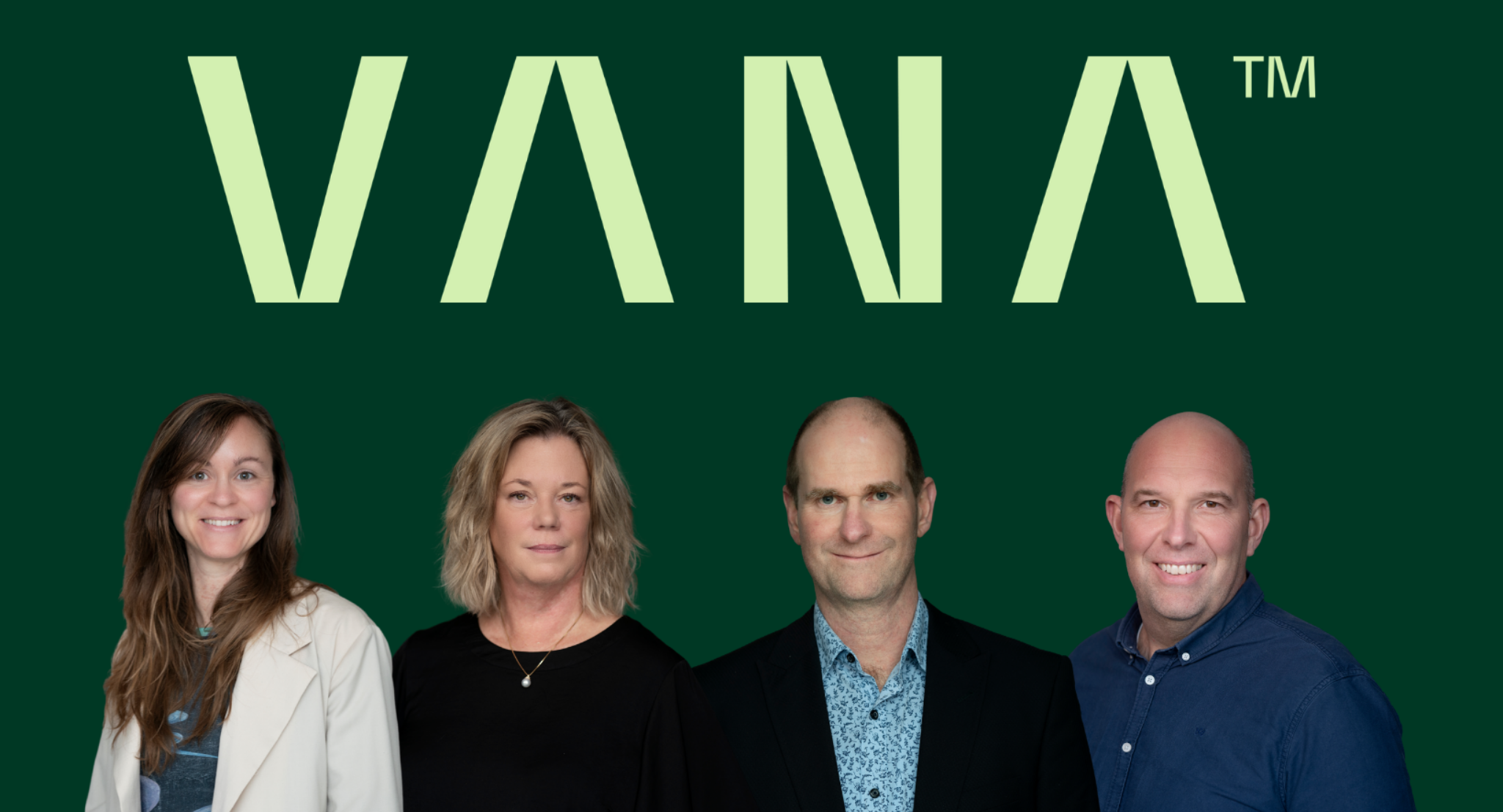
Pictured, from left to right: Anne Stine Henriksen (Specialist Consultant), Marianne Roed Jakobsen (CEO), Henrik Jacobsen (Head of Supply Chain), Christian Ebbesen (Operations Manager, Logistics).
Packaging is the fastest-growing waste stream in the EU. In Denmark alone, statistics show that the quantity of packaging increased by almost 10% from 2018 to 2023. At the same time, packaging is found everywhere in nature, consumption has a large CO2 footprint and 40% of all plastic and 50% of all paper used in the EU is used to produce packaging.
If we continue this way, packaging waste will increase by a further 19% across the EU by 2030 compared with 2018. In other words, the need to reduce the quantities and close the loop for materials is increasing and absolutely central to the circular transition.
Circular packaging – we close the loop
Extended producer responsibility (EPR) for packaging has now been in operation for 6 months in Denmark. EPR places the responsibility on companies to collect and recycle their packaging based on a “polluter pays” principle. This creates an economic incentive for companies to take greater responsibility for the environmental consequences caused by the consumption and handling of their packaging.
Both design, collection and handling are essential elements to promote the circularity of packaging, and with EPR, VANA has taken over responsibility for the treatment of around 75% of the collected packaging waste in the municipalities. This also makes us responsible for ensuring the highest possible quality in the recycling of Danes’ packaging waste; a responsibility we are working on purposefully through high demands on our suppliers, including full traceability and treatment in Denmark and nearby areas.
“It’s a big task that we can’t solve alone. Even though we have entered into ambitious contracts with the best treatment facilities for circular recycling, it’s wasted effort if the quality of the collection fractions cannot keep up. Mis-sorting, mixings and harsh treatment create inconsistent qualities that can complicate the sorting and recycling processes,”
VANA’s Head of Supply Chain, Henrik Jacobsen, points out.
We create change together – insight into the first recycling results
The municipalities’ persistent communication with citizens about proper source separation, and their determined efforts to ensure correct collection and handling until the fractions are handed over to the producers, are a prerequisite for the processors to achieve high-quality circular recycling.
“From the very start, we’ve prioritised building a good and trustful dialogue with our municipalities, all 98 of them, about the issues that arise along the journey of packaging – for example when extra focus on the quality of collection is needed. That has produced results which I look forward to sharing at this year’s LOOP Forum together with our first experiences on the impact of quality on recycling,”
says Christian Ebbesen, Operations Manager Logistics at VANA.
With 2025 behind us, the first recycling results from VANA’s suppliers have also been compiled, making it possible to take stock of the year: which fractions are being recycled satisfactorily, and which will require particular focus going forward? VANA will also lift the veil on that and elaborate further at LOOP Forum.
The future requirements for the value chain – EPR meets PPWR
From August 2026 the requirements for the packaging value chain will be tightened and, not least, raised. The Packaging and Packaging Waste Regulation (PPWR) enters into force on the 12th of August this year, and with it come requirements for the entire life cycle of packaging as well as a long-awaited harmonisation of the EPR across the countries of the EU.
There will be specific requirements for the design of packaging; e.g. limit values for PFAS in food packaging, requirements for recycled content of plastics, harmonisation of eco-modulation for the financial contributions, requirements for labelling of both packaging and waste bins, as well as requirements for packaging minimisation and much more. PPWR also introduces a 5% reduction target for all countries compared with 2018 levels, and ambitious requirements for more reuse.
“At VANA we are in full swing adapting and developing solutions that support the upcoming legislation. One of our most important priorities right now is to update our members, the producers, with the latest knowledge on implementation of the regulation, so that we can adapt to the new requirements and promote more circular packaging together,”
explains VANA’s Specialist Consultant, Anne Stine Henriksen.
Meet VANA at LOOP Forum – stand 106 and Roundtable Stage
At LOOP Forum, you can meet VANA’s experts both days at stand 106 and attend our two sessions on the Roundtable Stage. (Both sessions are in Danish)
The quality of waste on the journey of packaging – Tuesday 28 April at 11:00 – 11:50 – will focus on the collection and treatment stages of packaging. Our value-chain experts Henrik Jacobsen and Christian Ebbesen will talk about the work to ensure high-quality in the collection, alongside a discussion of the first recycling results for 2025.
EPR 2.0: The Interaction Between Extended Producer Responsibility and the Packaging Regulation – Wednesday 29 Apr at 11:35 – 12:25 – will provide clear insight into how the EU’s Packaging and Packaging Waste Regulation (PPWR) will shape the future of producer responsibility and what it means in practice. On stage are Marianne Roed Jakobsen and Anne Stine Henriksen together with guest speakers Louisa Raith Sørensen (COOP) and Ksenija Garbacenka (Plus Pack).